
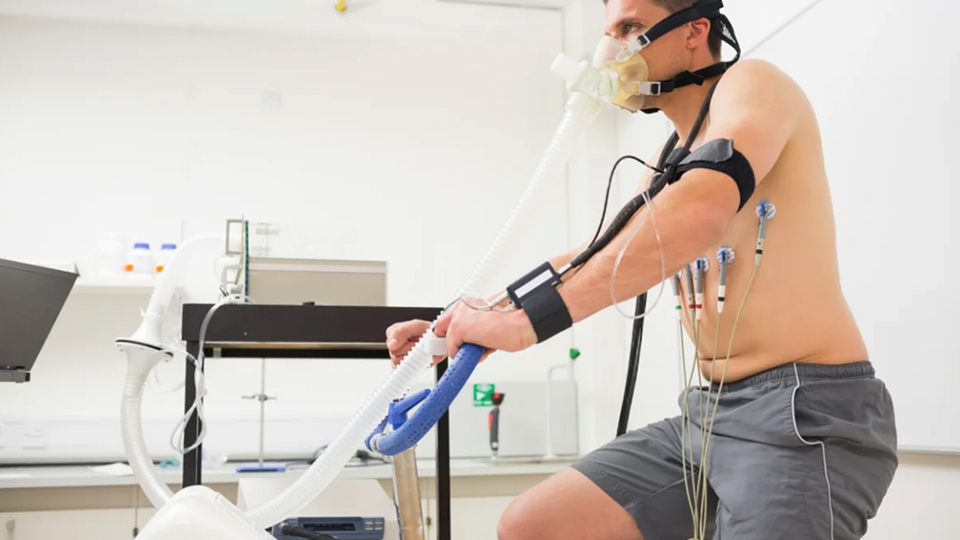
Treadmill Test (TMT)
The Treadmill Test (TMT), also known as the Exercise Stress Test (EST), is a medical test that evaluates the cardiovascular system's response to physical exertion. The test involves walking or running on a treadmill while connected to an electrocardiogram (ECG) machine that monitors your heart's electrical activity, blood pressure, and oxygen consumption.
The purpose of the TMT is to detect the presence of underlying heart conditions, such as coronary artery disease, that may not be apparent during rest. The test is typically performed in a medical facility, under the supervision of a healthcare professional, and takes about 10-15 minutes to complete.
During the TMT, the speed and incline of the treadmill are gradually increased, making the test progressively more difficult. The goal is to achieve a target heart rate, which is calculated based on your age and resting heart rate. If you experience chest pain, shortness of breath, dizziness, or any other symptoms during the test, it is important to inform the healthcare professional immediately.
After the TMT, your healthcare professional will review the results and provide recommendations based on your individual situation. In some cases, additional testing or treatment may be necessary to manage any underlying heart conditions that were identified during the TMT.
Tie ups with Insurance agencies