
Cytopathology
Cytopathology is the study of cells and their abnormalities, and it is a branch of pathology. It involves the analysis of cells that are shed or scraped off from various tissues and organs in the body, such as the cervix, breast, lung, thyroid, and lymph nodes. Cytopathology is used to diagnose a variety of diseases, including cancer and infectious diseases.
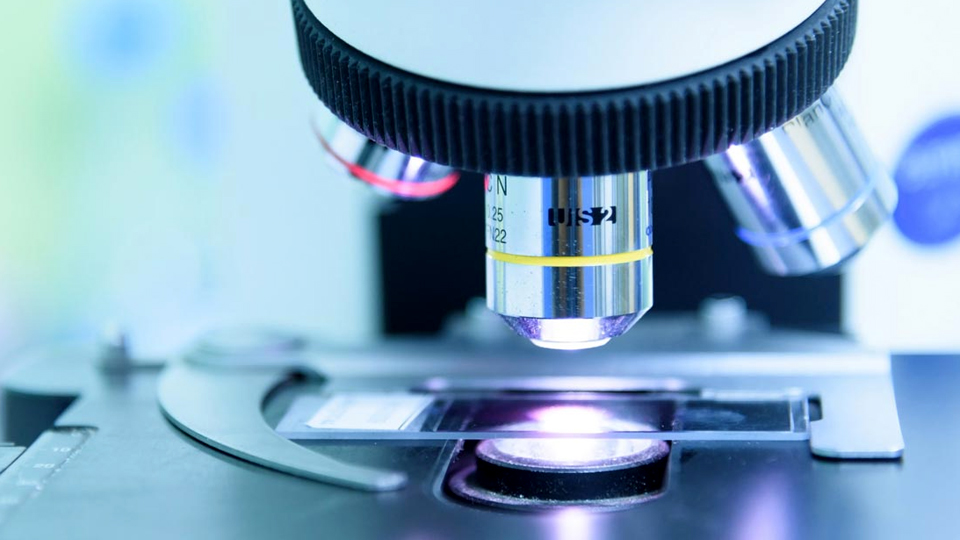
A cytopathologist examines cells under a microscope to identify any abnormalities, such as changes in size, shape, and color. They use a variety of techniques to prepare and analyze cell samples, including fine-needle aspiration (FNA), liquid-based cytology (LBC), and conventional smear preparations.
Cytopathology plays an important role in cancer screening and diagnosis. For example, the Papanicolaou (Pap) smear is a common cytopathology test used to screen for cervical cancer. In addition, FNA is often used to obtain samples from tumors to determine whether they are cancerous or benign.
Overall, cytopathology is an important diagnostic tool that helps healthcare providers to identify and manage various diseases and conditions.
Tie ups with Insurance agencies