
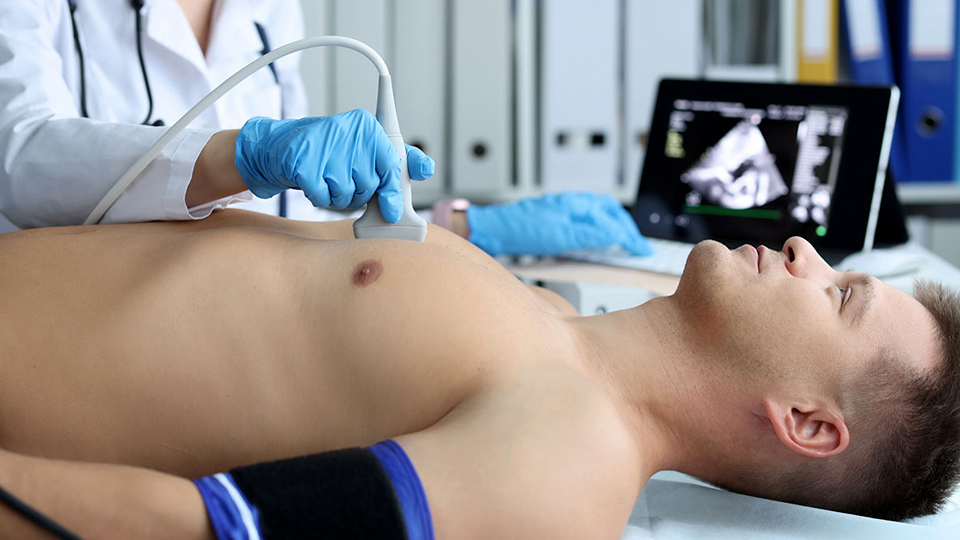
2D ECHO
A 2D ECHO (Two-Dimensional Echocardiogram) is a non-invasive medical imaging technique that uses high-frequency sound waves to create two-dimensional images of the heart. It is also known as echocardiography.
The procedure involves placing a small transducer, which emits and receives sound waves, on the chest wall. The sound waves are then directed towards the heart, and the reflections of these waves are used to create an image of the heart's structures, including the chambers, valves, and blood vessels.
2D ECHO is used to evaluate the size, shape, and function of the heart. It can detect abnormalities such as valve problems, congenital heart defects, and damage to the heart muscle. It is also used to monitor the progression of heart disease and assess the effectiveness of treatment.
The procedure is generally safe and painless, and it usually takes around 30 minutes to complete. It does not involve any exposure to radiation, making it a preferred diagnostic tool for pregnant women and children.
Tie ups with Insurance agencies