
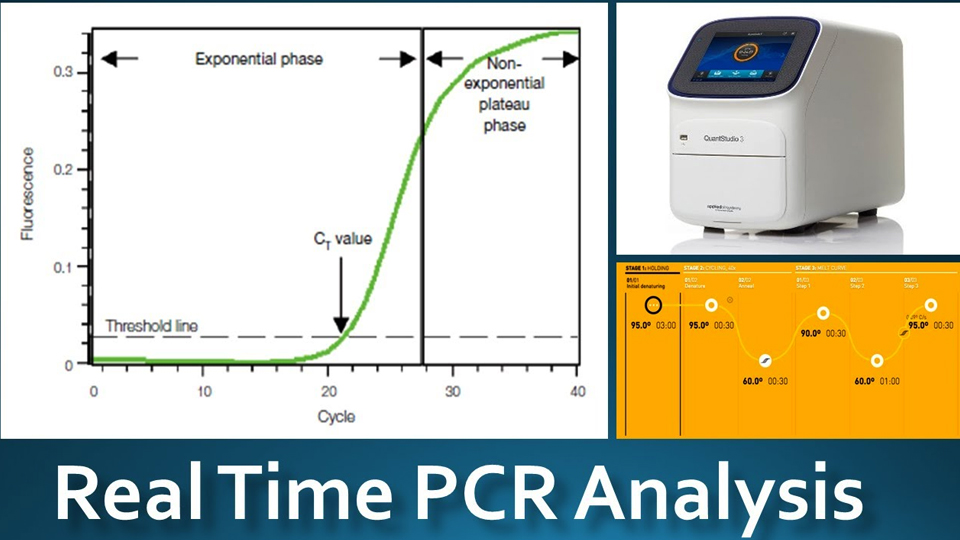
Real Time PCR
Real-time polymerase chain reaction (PCR) is a technique used in molecular biology to detect and quantify DNA or RNA in real-time during the amplification process. This technique is also known as quantitative PCR (qPCR).
Real-time PCR involves the use of fluorescent dyes or probes that bind to the DNA or RNA target of interest. As the target DNA or RNA is amplified, the amount of fluorescence increases proportionally to the amount of target material present in the sample. This allows for the quantification of the target DNA or RNA in real-time, as the PCR reaction progresses.
Real-time PCR has numerous applications, including in medical diagnostics, genetic research, and forensic science. It is commonly used to detect and quantify infectious agents, such as viruses and bacteria, and to monitor gene expression levels in cells or tissues. Real-time PCR is a sensitive, accurate, and reliable method for detecting and quantifying nucleic acids in biological samples.
Tie ups with Insurance agencies